











 Kids
Kids
The best helmets for hot weather in India are full-face or open-face helmets with multiple ventilation channels, moisture-wicking interior lining, and an anti-fog visor with UV protection. Look for ISI-certified helmets weighing under 1.3 kg with at least 4 intake vents. Helmets with removable, washable liners are strongly recommended for Indian summers.
Introduction
If you've ever ridden in Mumbai in May or taken your scooty through Hyderabad at 1 PM in June, you know the specific misery of a stuffy helmet in Indian summer. Your head sweats. Your visor fogs up the moment you slow down. The interior starts to smell within three rides. And you seriously consider just... not wearing it.
But skipping the helmet in summer is not the answer. The answer is finding the right one. This guide breaks down exactly what to look for in a helmet when you're riding through 35–45°C heat — specifically for women riders in India.
Why Regular Helmets Feel Unbearable in Indian Summer
Most standard helmets sold in India are built for compliance (ISI certification), not comfort. They have minimal ventilation, thick foam linings that trap heat, and visors that fog up from sweat and humidity.
The problem is worse for women because:
- Many helmets are designed around an average male head shape — rounder, wider
- Women typically have more hair, which adds insulation and reduces airflow
- Women's scalps are often more sensitive to heat and sweat rash
- Most budget helmets (under ₹800) have no ventilation at all
With average summer temperatures in Indian cities ranging from 35°C to 45°C and humidity above 70% in coastal cities, comfort is not a luxury — it directly affects riding focus and safety.
Key Features to Look for in a Hot Weather Helmet
Ventilation System
This is the most important feature. Look for helmets with:
- Front intake vents (at least 2–3): These channel air in from the front as you ride
- Top exhaust vents: Hot air exits through the top and rear
- Internal channelling: Air should flow over the head, not just into the helmet
Numbers matter. A helmet with 5+ vents in a channel system provides noticeably better airflow than one with 2 decorative vents that don't connect to the liner.
Moisture-Wicking Interior Lining
The interior of your helmet touches your head directly. Look for liners made from dry-fit or moisture-wicking fabric (similar to sports jerseys), with anti-bacterial treatment (reduces odour) and removable and washable panels.
A removable liner is not just convenient; it's essential hygiene in Indian summer. If you can't wash the inside, bacteria build-up will be faster.
Weight
Heavier helmets cause more neck fatigue in slow city traffic where you're frequently turning to check mirrors. For summer riding, aim for under 1.3 kg. Premium helmets achieve this with carbon fibre or ABS shells.
Visor Features
A good summer visor should have:
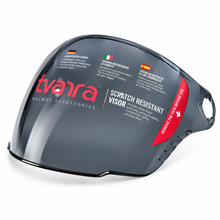
- UV protection (cuts glare and protects skin)
- Anti-scratch coating (visors scratch fast on Indian roads)
- Ventilation notch at the bottom: Allows air circulation even with visor closed
Fit
A helmet that fits poorly has air gaps that feel like hot breath circulating. A well-fitted helmet directs airflow efficiently.
Full Face vs. Open Face vs. Half Face: Which Is Cooler in Indian Summer?
Half-Face Helmets
Maximum airflow, but no face protection. In stop-and-go traffic, these feel coolest. However, dust, pollution, and sun exposure to your face are significant downsides in Indian urban riding.
Open-Face (3/4) Helmets
Good balance of airflow and protection. Your face is exposed but your head and back-of-head are protected. Great for city riding where speeds are lower. However, no chin protection.
Full-Face Helmets
Best all-round protection, but traditionally associated with heat. Modern full-face helmets with good ventilation systems can actually be comparable to open-face helmets in comfort, because they channel air more efficiently.
Verdict for Indian women riders in summer:
- For city commuting: Open-face with UV visor
- For highway or monsoon riding: Full-face with high ventilation
- For short errands: Breathable half-face with ISI certification
Data & Stats
According to India Meteorological Department data, over 100 cities in India crossed 40°C at least once between April and June in recent years. Rajasthan, Gujarat, and parts of Maharashtra see sustained 42–46°C temperatures.
A study published in the Journal of Thermal Biology found that helmets without ventilation can raise head temperature by 4–6°C compared to ambient temperature during slow riding. This affects alertness, reaction time, and riding judgement.
Safety researchers estimate that heat-related fatigue is a contributing factor in a significant portion of summer road accidents, making helmet comfort directly linked to road safety.
Practical Tips to Stay Cool While Riding in Summer
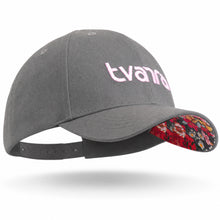
- Wear a thin skull cap under your helmet: Moisture-wicking skull caps absorb sweat and keep hair away from the liner. This also keeps the helmet interior cleaner.
- Soak the skull cap in cold water before a ride: The evaporation cooling effect can noticeably reduce head temperature for 15–20 minutes.
- Keep your visor slightly open in slow traffic: Even 5mm of gap creates airflow inside a full-face helmet.
- Clean the vents regularly: Dust clogs inlet vents. A soft brush monthly keeps airflow optimal.
- Store your helmet out of direct sun: A helmet baking in sunlight for hours will feel like an oven when you put it on.
- Replace your helmet if the liner is worn: Compressed foam loses both protective ability and ventilation efficiency.
What Tvarra Does Differently for Indian Summer Conditions
Tvarra designs helmets specifically for Indian riding conditions, which means the ventilation systems are engineered for city speeds (20–50 km/h) rather than track speeds (80+ km/h). Most international helmet ventilation is optimised for fast riding; at slow Indian city traffic speeds, they barely move air.
Additionally, Tvarra's helmet liners use moisture-wicking fabric that is removable and machine washable, addressing one of the most common complaints of Indian women riders: helmet hygiene in summer.
Frequently Asked Questions (FAQs)
Q1: Which type of helmet is best for hot weather riding in India?
Open-face or full-face helmets with multi-channel ventilation systems and moisture-wicking removable liners are best. For city speeds, open-face is more breathable; full-face is better for highway rides.
Q2: Why does my helmet fog up in the heat?
Fogging occurs when warm humid air from your breath or sweat meets a cooler visor surface. An anti-fog visor coating, or keeping the visor slightly open in slow traffic, helps significantly.
Q3: Can I use a wet cloth inside my helmet to stay cool?
A damp skull cap works better as it's specifically shaped for the head and distributes moisture evenly. Avoid placing wet materials directly on EPS foam as it can degrade the material.
Q4: How often should I wash the inside of my helmet in summer?
In summer, once every 2 weeks is ideal for active riders. Remove the liner, hand wash with mild soap, and dry in shade — not direct sunlight.
Q5: Do expensive helmets feel cooler?
Generally yes, premium helmets (₹2,500+) invest in genuine ventilation engineering. The correlation is real, but not absolute: check specifically for ventilation specs rather than price alone.