















 Kids
Kids
To clean the inside of a helmet, remove the inner liner and cheek pads if detachable, and hand wash them with mild soap and cold water. Do not use petrol, thinner, or harsh chemicals. The outer shell can be wiped with a damp microfiber cloth. Dry all parts in shade, never in direct sunlight or with a hairdryer. For helmets with non-removable liners, use a diluted fabric freshener spray and a dry cloth.
Introduction
Be honest — how long has it been since you cleaned the inside of your helmet?
For most Indian riders, the answer is: never, or a long time ago. And honestly, that's understandable. There's no obvious instruction manual, the process feels complicated, and when it smells, you just try to air it out.
But here's the thing: a dirty helmet interior doesn't just smell bad. It harbours bacteria, degrades your skin health, and can actually reduce the effectiveness of the padding over time. If you wear a helmet in Indian heat and humidity, this guide is essential reading.
Why Helmet Hygiene Is a Bigger Deal in India
India's climate creates the perfect conditions for helmet bacteria growth:
- Average humidity: 60–90% in coastal cities during summer/monsoon
- Ambient temperatures: 35–45°C in most of the country from April to October
- Daily commuting time: Many Indian riders wear helmets for 1–3 hours daily
Sweat, dust, pollution, hair products (oil, spray, serum) — all of this accumulates in the foam and fabric of your helmet's interior. According to dermatologists, helmets that are not regularly cleaned are associated with scalp infections, folliculitis (inflammation of hair follicles), and acne on the forehead and temples.
A well-maintained helmet is not just comfortable — it's a skin health necessity.
Step-by-Step: How to Clean the Inside of Your Helmet
Step 1: Check if Your Liner Is Removable
Many helmets (especially ISI-certified ones in the ₹1,500+ range) have removable inner liners and cheek pads that are held in with press-fit clips or velcro. Check the manufacturer's instructions or look for obvious seams and pull points.
If removable: Detach the liner and cheek pads carefully and proceed to Steps 2–4.
If non-removable: Go directly to the Spot Cleaning method in Step 5.
Step 2: Pre-rinse the Liner
Run cold water through the liner to remove loose dust and debris. Do not use hot water — it can shrink the fabric or deform foam.
Step 3: Hand Wash with Mild Soap
- Use a gentle detergent, baby shampoo, or mild soap
- Work up a light lather and gently massage the fabric
- Pay attention to the forehead area (highest sweat contact)
- Rinse thoroughly until no soap remains
Step 4: Dry in Shade
- Squeeze out excess water gently (do not wring or twist)
- Place on a clean towel to air dry in a shaded, ventilated spot
- Never use a hairdryer or place in direct sunlight
- Allow at least 8–12 hours of drying time before reassembling
Step 5: Spot Cleaning for Non-Removable Liners
- Mix equal parts water and isopropyl alcohol (or fabric freshener)
- Use a soft cloth or sponge to wipe the interior
- For stubborn odour spots: a paste of baking soda and water, left for 30 minutes, then wiped off
- Allow helmet to air out for 24 hours with both vents open
Step 6: Clean the Outer Shell
- Wipe with a damp microfiber cloth
- For stubborn dirt: mild soap and water, then rinse
- Never use petrol, thinner, acetone, or abrasive cleaners — these damage the ABS shell
Step 7: Clean the Visor
- Use a dedicated visor cleaner or mild soapy water
- Always use a soft cloth — paper towels and tissues scratch visors
- If anti-fog coating is present, check manufacturer guidance before cleaning
What Products to Use (and Avoid)
Safe to use:
- Baby shampoo or mild liquid soap
- Diluted fabric freshener spray (let dry fully)
- Isopropyl alcohol (70%) for spot disinfection
- Microfiber cloths
- Baking soda paste for odour
Do NOT use:
- Petrol or kerosene: Degrades EPS foam and outer shell material
- Bleach: Destroys fabric and can corrode metal clips
- Harsh dish soap: Strips anti-bacterial treatment from liner
- Hot water: Causes foam and fabric shrinkage
- Hairdryer or tumble dryer: Heat damages internal foam
How Often Should You Clean Your Helmet?
Minimum recommended frequency for Indian riders:
- Dry season (October–March): Once a month
- Summer (April–June): Every 2 weeks
- Monsoon (July–September): Every week (humidity + rain = rapid bacteria growth)
For riders with oily hair or hair products: increase frequency by one step (monthly becomes fortnightly).
Quick hack: Use a thin, moisture-wicking skull cap under your helmet. This acts as a washable barrier that absorbs most of the sweat, meaning the helmet itself stays cleaner for longer.
Data & Stats
A study published in the Journal of the Indian Medical Association found that over 60% of regular helmet users showed signs of scalp and forehead acne linked to infrequent helmet cleaning.
Dermatologists in India commonly see "helmet acne" — a specific pattern of breakouts along the forehead and temples in daily commuters who don't clean their helmets.
A separate hygiene study found that helmets worn daily without cleaning harbour multiple types of bacteria within 4 weeks of use, including Staphylococcus aureus, which can cause skin infections.
Helmet Liners Worth Buying: Tvarra's Approach
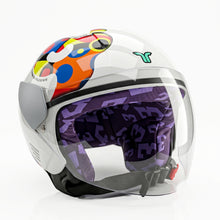
One of the most frustrating things about budget helmets in India is that the liner is often not removable, making deep cleaning nearly impossible. This is something Tvarra explicitly addressed in their helmet design. Their washable, removable liner system is specifically built for Indian summer conditions, where helmet hygiene is genuinely challenging.
Frequently Asked Questions (FAQs)
Q1: Can I wash my helmet liner in a washing machine?
Most helmet liners should be hand washed. If the manufacturer allows machine washing, use a delicate cycle, cold water, and a mesh laundry bag. Check the label first.
Q2: My helmet smells even after cleaning — what do I do?
Soak the liner in a baking soda and cold-water solution for an hour, then rinse. For persistent odour, a charcoal sachet placed inside the helmet between rides absorbs smells.
Q3: How do I clean a helmet visor without scratching it?
Use a soft microfiber cloth with mild soapy water. Avoid paper towels, dry wiping, and any abrasive materials. Anti-scratch visors are more forgiving but still need gentle cleaning.
Q4: Is it safe to use perfume or deodorant inside a helmet?
Avoid spraying directly inside. Alcohol-based sprays can degrade foam. If you want to freshen the interior, use a fabric-specific odour eliminator spray and let it dry fully before wearing.
Q5: How do I know if the foam inside my helmet has degraded?
Signs include visible compression, crumbling texture, loss of springback, and persistent odour despite cleaning. A degraded liner means reduced protection — replace the helmet.