










 Kids
Kids
Riding in monsoon in India requires a full-face helmet with an anti-fog visor, waterproof riding gear, reduced speed, increased following distance, and avoidance of waterlogged roads. The greatest risks are reduced visibility, slippery roads (especially the first rain after dry season), and unpredictable drainage on Indian city roads.
Introduction
Mumbai in July. Bengaluru on a Tuesday afternoon in August. The rain hits without warning, traffic slows to a crawl, your visor fogs immediately, and the road ahead is a sheet of water.
Monsoon riding in India is a skill — and most people learn it the hard way, after a close call. Whether you're a daily commuter or a weekend rider, this complete safety checklist gives you everything you need to ride safely when the rains arrive.
Why Monsoon Is the Most Dangerous Riding Season in India
India's monsoon season (June–September) consistently sees a spike in road accidents. Here's why:
- Road surface degradation: The first rain after a dry season brings oil and dust to the surface, creating an extremely slippery layer before it washes away
- Reduced visibility: Rain on visors, fogged-up visors, and low light conditions all reduce sight distance dramatically
- Waterlogging: Many Indian city roads have poor drainage — large puddles and potholes hidden under water are common
- Slippery road markings: White painted lines, zebra crossings, and speed bumps become especially slick when wet
- Others' reduced visibility: Cars and trucks may not see two-wheelers clearly in heavy rain
Complete Monsoon Safety Checklist for Women Riders
Helmet & Visibility
- Full-face helmet with anti-fog visor (or anti-fog insert/film applied to existing visor)
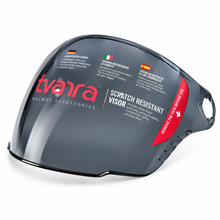
- Visor clean and scratch-free — scratches scatter light and dramatically reduce wet-weather visibility
- Helmet vent system checked — clogged vents increase fogging
- Chin strap double-checked — wet chin straps can loosen
Riding Gear
- Waterproof or water-resistant jacket with reflective elements
- Waterproof gloves — wet hands reduce grip control
- Closed-toe shoes with non-slip soles — sandals and heels are extremely dangerous in wet conditions
- High-visibility element (reflective strip, bright colour) on jacket or bag
- Rain poncho or jacket that doesn't billow — billowing gear can obscure mirrors or get caught in wheels
Bike Check
- Tyre tread depth: Shallow tread means poor wet grip
- Tyre pressure: Overinflated tyres reduce wet road contact
- Brakes functioning: Test both front and rear before the season
- Headlight working: Essential in low-visibility rain
- Mirrors clean and correctly angled
Electrics
- Phone in a waterproof case or mount
- Charger and cables stored in waterproof bag
- If you use navigation: screen brightness turned up, waterproof mount
Riding Technique Changes for Wet Roads
Speed: Reduce your regular speed by 20–30% on wet roads. Your braking distance increases significantly.
Braking: Apply both brakes smoothly and gradually. Sudden front brake application on wet roads is one of the most common causes of monsoon accidents. Begin braking earlier than you normally would.
Corners: Take turns more slowly and at wider angles. Don't lean as aggressively — wet tyre grip drops substantially.
Slippery surfaces to be especially aware of:
- Metal manhole covers (become very slick when wet)
- White painted road markings and zebra crossings
- Speed bumps (especially smooth concrete ones)
- Oil patches (rainbow sheen on water surface)
- Freshly laid tarmac
Following distance: Double your normal following distance in rain. The vehicle ahead may brake or stop without warning.
The Visor Fogging Problem: Solutions That Work
Fogging is the most common visibility complaint during monsoon riding. Here are effective solutions:
- Anti-fog visor film (Pinlock or equivalent): A dual pane insert that eliminates fogging almost completely. Available for most popular helmet models for ₹400–₹1,200.
- Anti-fog spray: Apply to the inside of the visor. Works for 1–3 rides. Affordable and easy to find at bike shops.
- Leave the visor slightly open: A 3–5mm gap allows airflow that significantly reduces fogging in slow traffic. Close fully at highway speeds.
- Use the ventilation system: Open your helmet's chin vent and forehead vents. Airflow is the most effective anti-fog mechanism.
- Mild dish soap on the inside: An old rider trick — rub a tiny amount of mild dish soap on the inside of the visor and buff to clear. The surfactant prevents water droplets from beading.
What to Do If You're Caught in Unexpected Heavy Rain
- Find a safe, covered spot to pull over: Under a flyover, petrol station, or shop canopy. Do not stop on the road edge — reduced visibility means others may not see you.
- Wait for the heaviest rain to pass: The first 15 minutes of a downpour are usually the worst.
- If you must ride through it: Reduce speed significantly, increase following distance, put on hazard lights if available.
- Avoid waterlogged roads: If you cannot see the road surface, do not enter. Potholes hidden by water are a major cause of monsoon accidents.
- Secure your bag and gear: Loose bags or items can shift in heavy rain and affect your balance.
Data & Stats
According to MoRTH (Ministry of Road Transport and Highways), road accidents see an increase during monsoon months in states like Maharashtra, Telangana, Tamil Nadu, and Kerala — states with heavy rainfall.
Research on wet road accident causes in India found that slippery road surfaces, reduced visibility, and waterlogged roads are among the top causal factors in two-wheeler monsoon accidents.
The Monsoon Helmet Setup Women Riders Swear By
For women who ride daily through the monsoon, the ideal helmet setup is:
- Full-face helmet with pinlock-compatible visor
- Anti-fog insert or film applied
- Reflective strip on the back of the helmet
- Washable, quick-dry interior liner
Tvarra's full-face helmets are compatible with standard anti-fog inserts and feature quick-dry interior liners — practical features that make monsoon commuting significantly more comfortable and safer.
Frequently Asked Questions (FAQs)
Q1: Is it safe to ride a two-wheeler in heavy rain in India?
It's manageable with the right gear and technique, but heavy rain significantly increases risk. If visibility drops sharply or roads are waterlogged, it's safer to find shelter and wait.
Q2: Why do metal manhole covers become slippery in rain?
The smooth metal surface has almost zero grip when wet, unlike asphalt. Additionally, many metal manholes in India are slightly raised or sunken, creating additional instability.
Q3: Can I use a half-face helmet in monsoon?
You can, but your visibility suffers badly. Rain directly hitting your face at 30+ km/h significantly reduces your ability to see. A full-face or 3/4 helmet with visor is strongly recommended.
Q4: How do I clean a waterlogged helmet after monsoon riding?
Remove the liner and let all components air dry in a ventilated space. Do not use a hairdryer. Open all vents to dry the interior channels.
Q5: What reflective gear is most useful for women riding in monsoon?
A reflective jacket or vest is most visible. Reflective strips on the back of your helmet are also effective. High-visibility yellow or neon colours add visibility even in daylight rain.