












 Kids
Kids
In India, not wearing an ISI-certified helmet during a two-wheeler accident can legally be used to reduce or deny your personal accident insurance claim, as helmet use is a legal requirement. Under the 'contributory negligence' principle, insurers may reduce the claim payout if it's established that the claimant's injuries were worsened by not wearing a helmet. Third-party insurance is not affected, but your own personal accident cover may be impacted.
Introduction
You've paid your bike insurance premium. You've never claimed. You feel covered. But then you have an accident — without a helmet — and the insurer disputes your claim.
This scenario plays out more often than most riders realise. The relationship between helmet use and insurance coverage in India is legally significant and almost never explained at the point of purchase. This guide breaks down exactly what you need to know before the worst happens.
How Indian Motor Insurance Intersects With Helmet Use
India's Motor Vehicles Act makes helmet use compulsory for all two-wheeler riders. Your insurance policy operates within this legal framework — and that matters in two specific ways:
- Personal Accident Cover: This is the part of your policy that pays if you are injured or killed in an accident. Standard PA cover for two-wheelers in India provides ₹15 lakh or more depending on your policy.
- Third-Party Liability: This pays for damage and injuries you cause to others. Your helmet use doesn't affect third-party claims directly.
The critical issue is what happens to your personal accident claim when you weren't wearing a helmet.
The 'Contributory Negligence' Principle in Insurance Claims
Under Indian insurance law, if you contribute to your own injury through negligence — such as breaking traffic laws — the insurer has grounds to contest your claim.
Wearing a helmet is a legal obligation. Not wearing one is a legal violation. If you are injured in an accident and are found to not have been wearing a helmet, insurers can argue:
- You violated the law (Section 129, Motor Vehicles Act)
- Your violation contributed to the severity of your injuries
- Therefore, the principle of contributory negligence applies
- The claim should be reduced or denied accordingly
In practice, large insurers in India rarely deny PA claims entirely on helmet grounds alone, but partial claim reductions and protracted dispute processes are documented. In court-adjudicated cases, judges have applied contributory negligence when helmet non-use was established.
What to Do to Protect Your Insurance Claim
Always Wear an ISI-Certified Helmet
This is the most direct protection — both physically and legally.
Keep Proof of Helmet Purchase
In a claim dispute, showing that you owned and regularly wore a certified helmet strengthens your case.
Read Your Policy Document
Look for exclusion clauses related to "violation of traffic laws" or "contributory negligence." Ask your insurer directly: "Will my claim be affected if I wasn't wearing a helmet?"
Opt for Comprehensive Personal Accident Cover
Basic third-party policies have minimal PA cover. A comprehensive policy with higher PA cover provides better protection.
Register Your Accident with Police
A police FIR is an official record of the accident circumstances. This matters if a claim is disputed.
State Transport Departments and Helmet Compliance Linking
Some states have begun digital linkages between traffic challans, vehicle registration, and insurance renewal:
- Maharashtra: Persistent traffic violations (including repeat no-helmet challans) can be flagged during RC renewal
- Telangana: Digital integration between traffic database and insurance renewal processes is being implemented
- Delhi: E-challan history can impact vehicle fitness certificate renewal
This means that a pattern of helmet violations doesn't just put you at risk during a ride — it can affect your vehicle's administrative status.
Data & Stats
According to data from major general insurers in India, personal accident claims from two-wheeler accidents constitute a significant portion of their motor claim outflows. Insurers have internal data showing that fatality and serious injury claims are disproportionately associated with helmet non-compliance, which is precisely why the insurance incentive for helmet use is being increasingly formalised.
A study of traffic accident claim disputes in Indian courts found that contributory negligence arguments related to helmet use were raised in a meaningful fraction of contested PA claims.
The Financial Case for Quality Helmet Investment
Let's put this in numbers:
- A quality ISI-certified helmet: ₹1,500–₹4,000
- Helmet fine if caught without one: ₹1,000
- Personal accident cover in your policy: ₹15–₹50 lakh
- Potential claim dispute if you're in an accident without a helmet: partial or full denial of that PA claim
The math isn't complicated. But there's also a non-financial dimension: the helmet is the only thing standing between your head and the road. A quality helmet from a trusted brand isn't just an insurance policy in the metaphorical sense — it's your literal first line of defense.
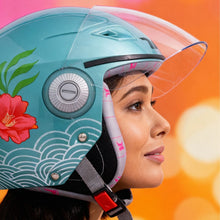
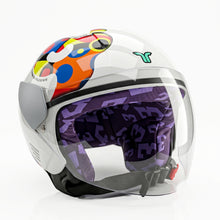
For women riders, Tvarra's certified helmets start at an accessible price point, making it easy to stay compliant both legally and safety-wise without breaking the budget.
Frequently Asked Questions (FAQs)
Q1: Will my bike insurance pay if I was in an accident without a helmet?
Third-party cover is typically unaffected. Your personal accident cover may be partially reduced or contested by the insurer using the contributory negligence principle, as helmet use is legally mandated.
Q2: Is it compulsory to wear a helmet for a bike insurance claim?
Technically yes — helmet use is a legal requirement and your policy operates within that law. While not always explicitly stated, violating traffic law during an accident opens the door to claim dispute.
Q3: What is personal accident cover on a two-wheeler policy?
PA cover pays a lump sum if the insured rider dies or suffers permanent disability in an accident. Mandatory PA cover in India is ₹15 lakh, but higher amounts can be purchased.
Q4: Does a pillion rider have insurance protection if they're not wearing a helmet?
Pillion cover is often an add-on to standard two-wheeler insurance. The same contributory negligence principle may apply to a pillion's PA claim if they were helmetless.
Q5: How do I check if my insurance policy excludes claims for traffic violations?
Read the 'Exclusions' section of your policy document. Call your insurer's helpline and ask specifically about helmet compliance and claim validity.